
Gastric sleeve surgery, or sleeve gastrectomy, is an irreversible bariatric operation that removes about 80% of the stomach and leaves a narrow sleeve-shaped stomach. It does not reroute the intestines. The operation can support substantial long-term weight loss, but it also requires lifelong follow-up, nutrition monitoring and changes in eating habits.
If you are considering gastric sleeve surgery in Turkey, the decision should not rest on a headline package alone. Your individual suitability, the surgeon and hospital, the plan for complications and follow-up, and the timing of travel all matter. For detailed pricing and package questions, the dedicated cost guide explains that topic separately.
What is gastric sleeve surgery and how does it work?
During sleeve gastrectomy, most of the stomach is removed and the remaining section is shaped into a narrow tube. Because the stomach is smaller, you can eat less at one time. The operation also affects signals involved in hunger and fullness.
Unlike gastric bypass, sleeve gastrectomy does not create an intestinal bypass. However, the removed part of the stomach cannot be restored, so the operation is considered permanent. This is why the choice should be based on a full bariatric assessment rather than weight or price alone.
Who may be a candidate for gastric sleeve surgery?
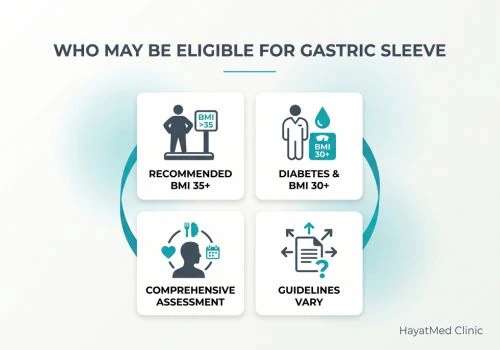
Eligibility is individual. The 2022 ASMBS/IFSO indications for metabolic and bariatric surgery broadened the older BMI-only framework commonly used in previous guidance:
- Metabolic and bariatric surgery is recommended for adults with a BMI of 35 kg/m² or more, regardless of whether obesity-related conditions are present.
- It is recommended for people with type 2 diabetes and a BMI of 30 kg/m² or more, and may be considered for BMI 30–34.9 kg/m² when non-surgical treatment has not produced substantial or durable improvement.
- BMI is only one part of the assessment. The team should also consider medical conditions, previous treatment, reflux symptoms, surgical history, nutrition, psychological readiness, smoking and the ability to continue long-term follow-up.
National referral, funding and insurance criteria can be different from international professional guidelines. A guideline threshold therefore does not by itself confirm that sleeve gastrectomy is the right operation for you.
What happens before and during sleeve gastrectomy?
Before surgery, bariatric care normally includes a multidisciplinary assessment. The exact tests depend on your medical history and risk profile, but the purpose is to identify conditions that could affect anaesthesia, surgery, nutrition or the choice of bariatric procedure.
Sleeve gastrectomy is usually performed laparoscopically under general anaesthesia. The surgeon removes most of the stomach while preserving the normal route through the stomach and intestines. In an uncomplicated recovery, hospital stay is commonly measured in days rather than weeks, but the exact discharge timing should be decided by the treating team.
Choosing gastric sleeve surgery in Turkey: what should you verify?
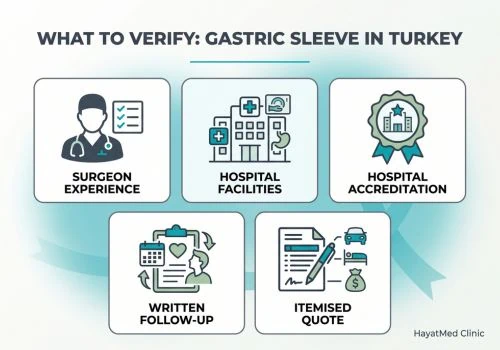
Travelling abroad does not change the clinical standards you should expect. Before committing to treatment, verify the people, facility and follow-up plan behind the offer.
- Ask for the full name and relevant bariatric experience of the surgeon who would perform your operation.
- Confirm the hospital where surgery would take place and what emergency, imaging, endoscopy and intensive-care support is available if needed.
- If accreditation is advertised, verify the named hospital’s current accreditation rather than assuming that a clinic brand or package automatically covers the operating hospital.
- Ask how urgent problems would be managed while you are in Turkey and what information you would receive for clinicians after you return home.
- Request a written follow-up and nutrition-monitoring plan, including how blood tests and supplements will be reviewed over time.
- Ask for a written, itemised quote so you can distinguish medical fees from accommodation, transfers and other travel services.
If your surgery would be in Istanbul, include practical travel time between your accommodation and hospital when planning appointments and recovery. Convenience should not replace clinical suitability or emergency access.
Recovery after gastric sleeve surgery
Recovery varies with your health, the operation and whether complications occur. A typical pathway moves gradually from immediate post-operative monitoring to increasing activity, staged food intake and long-term nutritional follow-up.
- In hospital, the team monitors recovery from anaesthesia, pain control, hydration and signs of complications, while encouraging appropriate early movement.
- During the first weeks, food and fluids are advanced in stages according to the bariatric team’s instructions. Do not substitute a generic online diet for your own post-operative plan.
- Activity is increased gradually. NHS guidance notes that returning to normal activities commonly takes about 4–6 weeks, although work and exercise timing depend on the individual.
- Long term, vitamin and mineral supplementation and nutritional monitoring are usually required. The exact supplements and doses should be based on your bariatric team’s protocol and blood-test results.
During recovery, the gastric sleeve diet guide explains how food stages, protein, hydration and supplements are typically progressed.
How much weight can you expect to lose?
Weight loss varies between individuals and should be described with a clearly defined measure. Cleveland Clinic reports average total body-weight loss of about 25–30% during the first 1–2 years after sleeve gastrectomy. Your result may be higher or lower depending on starting weight, health, eating patterns, activity, follow-up and other factors.
This is different from excess-weight loss, which uses a different denominator and can make percentages look much larger. When comparing results between clinics or studies, check which measure is being reported.
Weight can also change again over the longer term. Sleeve gastrectomy is a treatment tool rather than a guarantee of a particular number on the scale, and long-term follow-up remains important even after the initial weight-loss phase.
Risks and long-term trade-offs
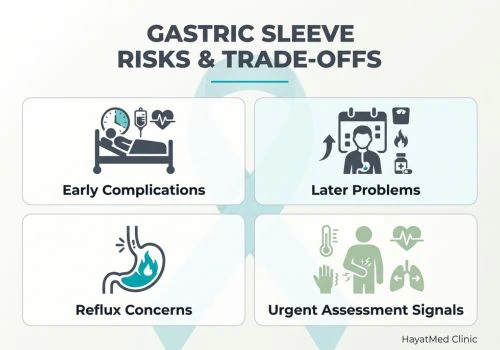
All surgery carries risk. With sleeve gastrectomy, the important question is not whether risk exists but whether your expected benefit justifies that risk and whether the treatment team can prevent, recognise and manage complications appropriately.
- Early complications can include bleeding, infection, a leak from the stomach staple line, blood clots and problems related to anaesthesia.
- Later problems can include gastro-oesophageal reflux, narrowing of the sleeve, gallstones, nutritional deficiencies and weight regain.
- New or worsening reflux deserves particular attention because sleeve gastrectomy can aggravate reflux in some patients and may influence the choice of operation.
- Persistent vomiting, inability to keep fluids down, severe or increasing abdominal pain, fever, a very fast heartbeat, chest pain or difficulty breathing after surgery require urgent medical assessment.
When weighing benefits against drawbacks, the gastric sleeve pros and cons guide gives a focused comparison without repeating the full treatment pathway.
Gastric sleeve cost and package context in Turkey
The cost of gastric sleeve surgery in Turkey can vary with the hospital, surgeon, pre-operative investigations, length of stay, medicines, accommodation, transfers and follow-up arrangements. Patients considering bypass instead can compare gastric bypass prices and packages separately from the sleeve quote. An “all-inclusive” label is not standardised, so two packages with similar marketing language may cover different services.
Instead of relying on a headline price, ask for a dated written quote that identifies what is included, what could generate an additional charge, which hospital and surgeon the quote applies to, and what follow-up is included after you leave Turkey. The gastric sleeve cost guide can help you compare current price ranges and package terms before you assess a quote.
When might another bariatric procedure be considered?
Sleeve gastrectomy is not the only bariatric option. For patients considering non-surgical treatment, the choice between gastric sleeve and GLP-1 medication also involves differences in long-term follow-up. Significant reflux, metabolic disease, previous abdominal or bariatric surgery, anatomy and the amount of weight loss needed can affect which procedure a specialist discusses with you.
If your decision is specifically between the two procedures, the gastric sleeve vs gastric bypass guide compares their main differences in more depth. If you are still deciding among bariatric treatments in Turkey, the weight-loss surgery in Turkey guide places sleeve within the broader treatment options. For people who already have a sleeve and are investigating persistent symptoms, complications or inadequate long-term results, the gastric sleeve revision guide explains when revision may be considered.


What to prepare before requesting a gastric sleeve consultation
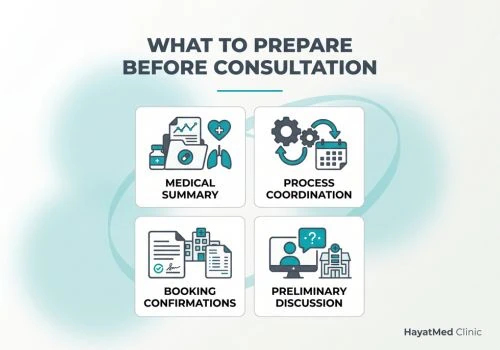
Before making non-refundable travel arrangements, prepare a clear summary of your height and weight history, major diagnoses, current medicines, allergies, reflux symptoms, previous abdominal or bariatric operations, smoking status and relevant recent medical records. These details help make the first bariatric discussion more useful; they do not guarantee that sleeve gastrectomy will be suitable.
Through its consultation route, HayatMed can help coordinate the next consultation and treatment-planning steps and organise appointments and timelines. The treating bariatric team should determine candidacy, procedure choice and travel clearance after appropriate assessment. If any part of the discussion takes place remotely, treat it as preliminary: the plan may change after direct clinical examination and any required testing.
Before booking, ask for written confirmation of the proposed surgeon and hospital, your itemised quote and inclusions, follow-up arrangements, and medically appropriate travel timing. To start, contact HayatMed Clinic to request a consultation.

Gastric sleeve vs GLP-1 in Turkey is a choice between permanent stomach-reduction surgery and medically supervised, non-surgical treatment. For UK

Turkey maintains its position as a top-tier destination for bariatric procedures in 2026, driven by high-volume surgical experience and rigorous

Why Revision Surgery Is Rising Worldwide You are not alone if your first bariatric surgery did not go as planned.